 MORNING STOICISM
A BRIEF INTRODUCTION
What is Stoicism?
A practical philosophy for meeting life with clearer judgment, courage, and care for others.
Stoicism began in ancient Greece and later flourished in Rome. Its central idea is that a good life depends on the character we develop and the choices we make—not simply on wealth, comfort, or good luck.
We cannot command every outcome. We can practice how we judge a situation, how we act, and how fairly we treat other people.
Start with the next choice
When a difficulty comes along, pause and ask: What is up to me here? What would a wise, fair, and courageous response look like?
That might mean taking action, asking for help, apologizing, or accepting an outcome you cannot change. The aim is thoughtful action, not indifference.
Four virtues for everyday life
The Stoics described four virtues: wisdom, courage, justice, and self-control. They are qualities we can practice in ordinary choices.
- Wisdom: See a situation clearly and think about what matters before acting.
- Courage: Do what is right even when it is difficult, such as speaking up or admitting a mistake.
- Justice: Treat people fairly and kindly, and do your part for others.
- Self-control: Use restraint and moderation when anger, appetite, or impulse pulls you toward a choice you may regret.
A lesson can begin with a thinker, a virtue, or a Stoic practice, such as preparing for setbacks or stepping back to see the bigger picture. We explore each idea through a familiar situation and a small practice to try.
Some of the voices behind our lessons
Our lessons draw on Stoic philosophy and other thinkers whose ideas help us in everyday life. These are three examples from a wider range of voices and ideas.
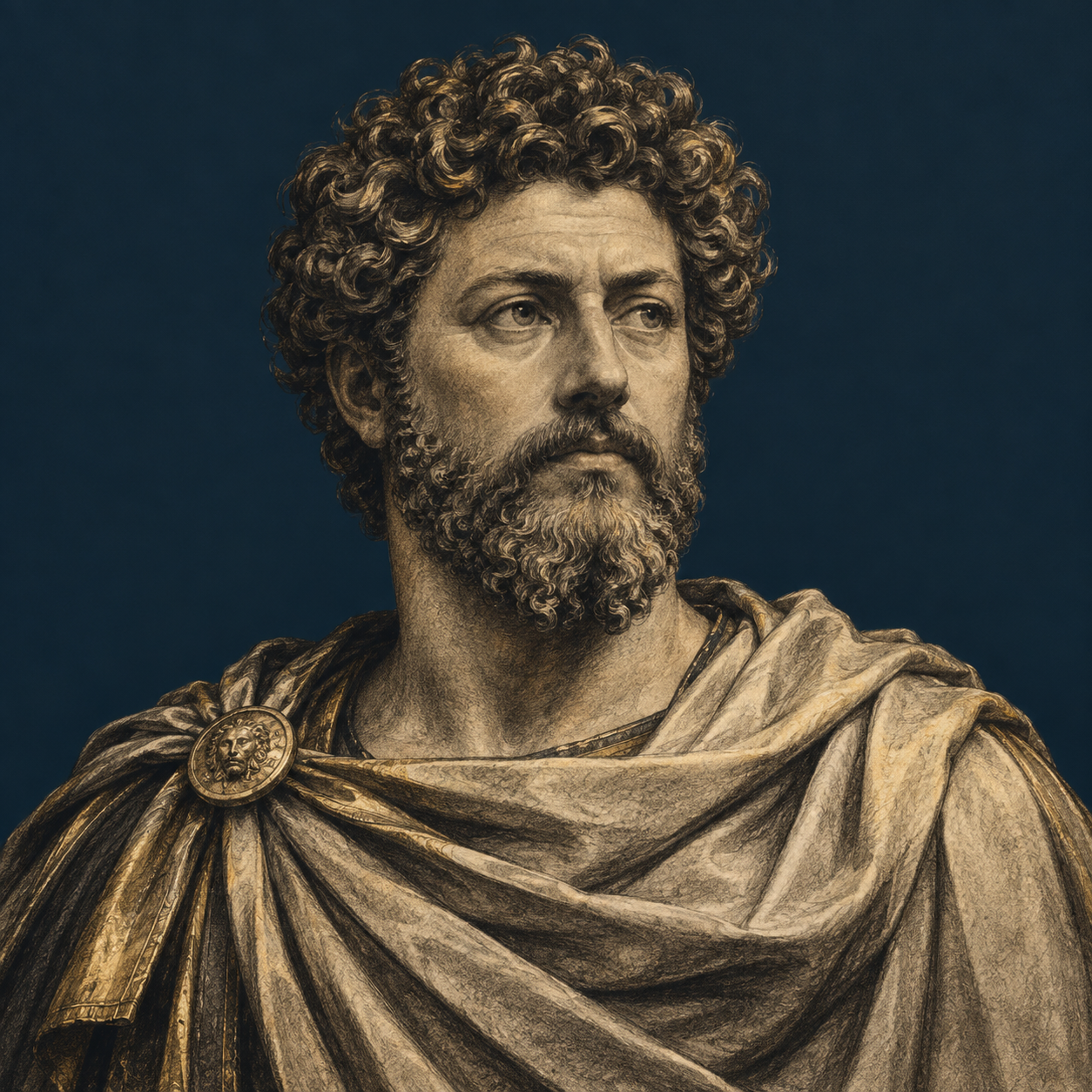
Marcus Aurelius
The emperor who kept learning
A Roman emperor whose private reflections became Meditations. He reminded himself to attend to his duties, act justly, and work with other people.
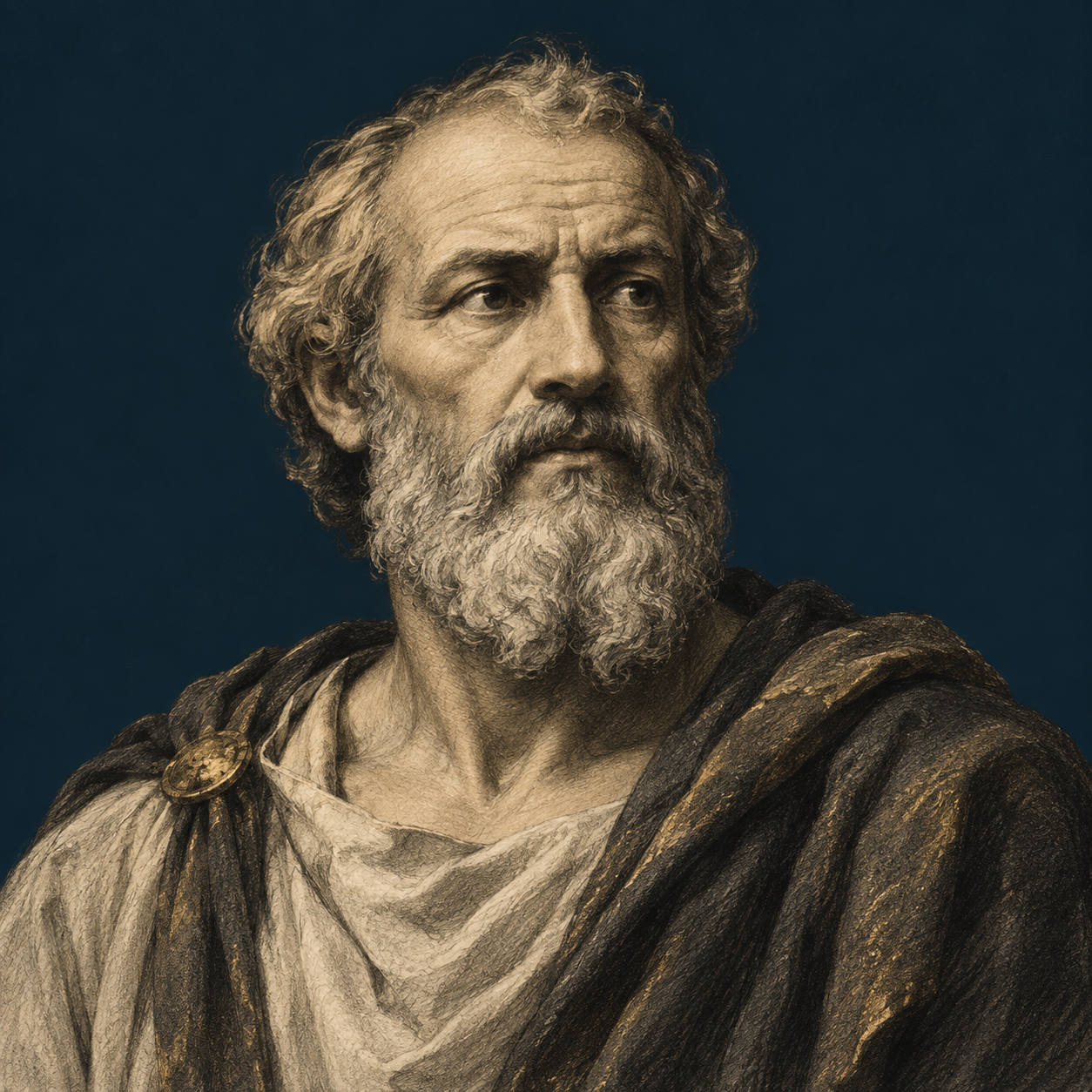
Epictetus
The teacher of inner freedom
Born enslaved and later freed, Epictetus taught students to distinguish their own judgments and choices from things beyond their power.
Read: Who Controls the Weather?Read: It Wasn't About the Keys
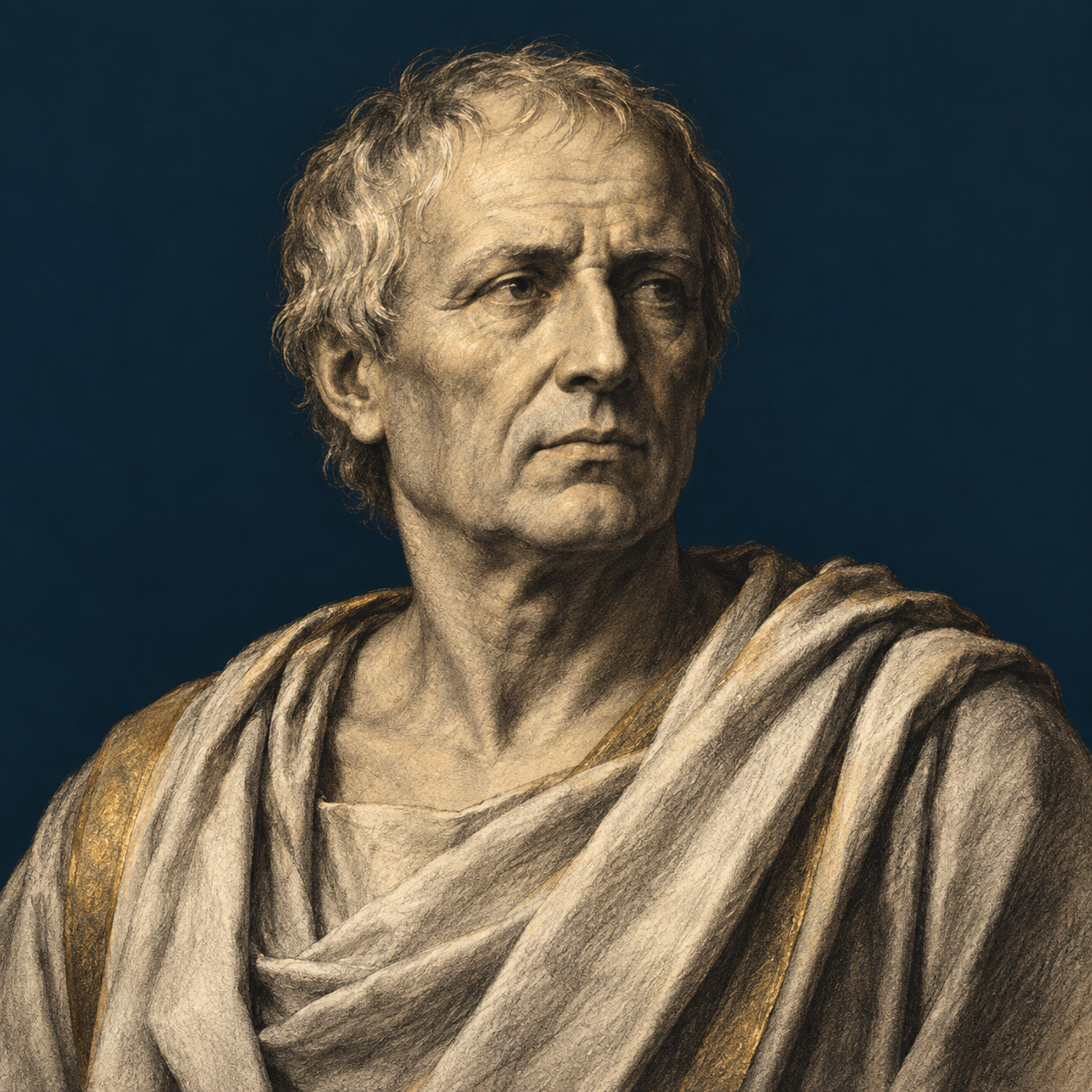
Seneca
The writer of everyday wisdom
A Roman statesman and philosopher whose letters and essays explore time, anger, friendship, and how to live well amid uncertainty.
Read: The Argument That Never HappenedAI-generated artistic interpretations, not photographs or authenticated likenesses.
A small practice for today
Choose one ordinary frustration. Separate what happened from the story you are telling yourself about it. Then choose one useful, considerate action.
That is the spirit of Morning Stoicism: read a little, reflect, and put one idea into practice.
For background and history, read Wikipedia’s overviews of Stoicism and Marcus Aurelius.
Further reading: Stanford Encyclopedia of Philosophy on Stoicism, Marcus Aurelius, Epictetus, and Seneca.